
Difference Between Common Cold and Pneumonia: A Simple Guide to Understand the Symptoms, Causes, and Treatment
Respiratory illnesses are very common, especially during seasonal changes. Many people often confuse a simple cold with something more serious like pneumonia. Both conditions affect the lungs and breathing system, and they may start with similar symptoms such as cough, fever, and fatigue. However, their severity, causes, and treatments are very different.
Understanding the difference between common cold and pneumonia can help you take the right action at the right time. A common cold usually resolves within a few days with rest and basic care, while pneumonia is a potentially serious infection that may require medical treatment.
In this guide, we will clearly explain the difference between common cold and pneumonia in a simple and easy-to-understand way so that even a 12th-grade student can understand it easily.
What is a Common Cold?
The common cold is a mild viral infection that mainly affects the nose, throat, and upper respiratory tract. It is one of the most common illnesses experienced by people worldwide.
A cold is usually caused by viruses such as rhinoviruses. It spreads easily through droplets in the air when an infected person coughs or sneezes, or through direct contact with contaminated surfaces.
Common Symptoms of Cold
Most people experience the following symptoms when they have a cold:
- Runny or blocked nose
- Sneezing
- Mild sore throat
- Mild cough
- Low-grade fever
- Watery eyes
- Mild body aches
- Tiredness
These symptoms are usually mild and improve within 5 to 7 days. In most cases, a cold does not require strong medication.
However, when symptoms become severe or last longer than usual, it becomes important to understand the difference between common cold and pneumonia because pneumonia can start with symptoms that look similar to a cold.
What is Pneumonia?
Pneumonia is a serious infection that affects the lungs. It causes inflammation in the air sacs (alveoli) of the lungs, which may fill with fluid or pus. This makes breathing difficult and reduces oxygen levels in the body.
Pneumonia is an infection that may be caused by bacteria, viruses, or fungi. Among these, bacterial pneumonia is often more severe and may require antibiotics or hospital care.
Unlike a cold, pneumonia directly affects lung tissue and can become life-threatening if not treated early.
Common Symptoms of Pneumonia
Symptoms of pneumonia are usually more severe and include:
- High fever
- Persistent cough with mucus
- Shortness of breath
- Chest pain while breathing or coughing
- Chills and sweating
- Severe fatigue
- Rapid breathing
- Confusion (especially in elderly patients)
Recognizing these symptoms early helps patients and families understand the difference between common cold and pneumonia and seek medical help immediately.
If symptoms worsen, consulting a doctor such as Dr. Sree Madhurya M at a trusted healthcare facility can help ensure proper diagnosis and treatment.
Difference Between Common Cold and Pneumonia
Although both conditions affect the respiratory system, they differ in severity, symptoms, and treatment. Understanding the difference between common cold and pneumonia can help prevent complications.
- Severity of the Illness
The common cold is mild and usually resolves on its own.
Pneumonia is a serious lung infection that may require medical treatment and sometimes hospitalization.
This is one of the most important aspects when understanding the difference between common cold and pneumonia.
- Causes
The common cold is caused mainly by viruses.
Pneumonia can be caused by:
- Bacteria
- Viruses
- Fungi
Because pneumonia has multiple causes, treatment methods can vary.
- Fever Level
In a cold, fever is usually mild or sometimes absent.
In pneumonia, patients often experience high fever with chills, which can make the condition more dangerous.
This symptom is often used by doctors to identify the difference between common cold and pneumonia.
- Breathing Difficulty
Breathing difficulty is rare in the common cold.
However, pneumonia affects lung function and often causes shortness of breath or rapid breathing.
This breathing difficulty is a major indicator of the difference between common cold and pneumonia.
- Chest Pain
People with a cold rarely feel chest pain.
Patients with pneumonia often experience sharp chest pain while breathing or coughing due to lung inflammation.
This symptom further highlights the difference between common cold and pneumonia.
- Duration of Illness
A common cold usually improves within 5–7 days.
Pneumonia can last for weeks and may require proper medical treatment.
Understanding this recovery timeline is another key point in recognizing the difference between common cold and pneumonia.
When Should You See a Doctor?
Many people ignore symptoms thinking it is just a cold. However, some warning signs should not be overlooked.
You should seek medical attention if you experience:
- Fever above 101°F
- Persistent cough for more than 7 days
- Difficulty breathing
- Chest pain
- Extreme fatigue
- Bluish lips or fingernails
If these symptoms appear, it is important to consult a doctor to rule out pneumonia.
Healthcare facilities such as Vedanta Hospitals in Kadapa, a trusted Multispeciality Hospital in Kadapa, provide expert diagnosis and treatment for respiratory infections.
Doctors like Dr. Sree Madhurya M can evaluate symptoms and determine whether it is a cold or pneumonia.
How Doctors Diagnose Pneumonia
Doctors usually perform several tests to confirm pneumonia. These may include:
Physical Examination
Doctors use a stethoscope to listen to sounds in the lungs.
Chest X-ray
This helps identify infections or fluid in the lungs.
Blood Tests
Blood tests help identify the infection type.
Oxygen Level Test
This checks whether the lungs are supplying enough oxygen.
Proper diagnosis helps doctors clearly identify the difference between common cold and pneumonia and choose the right treatment.
Treatment for Common Cold
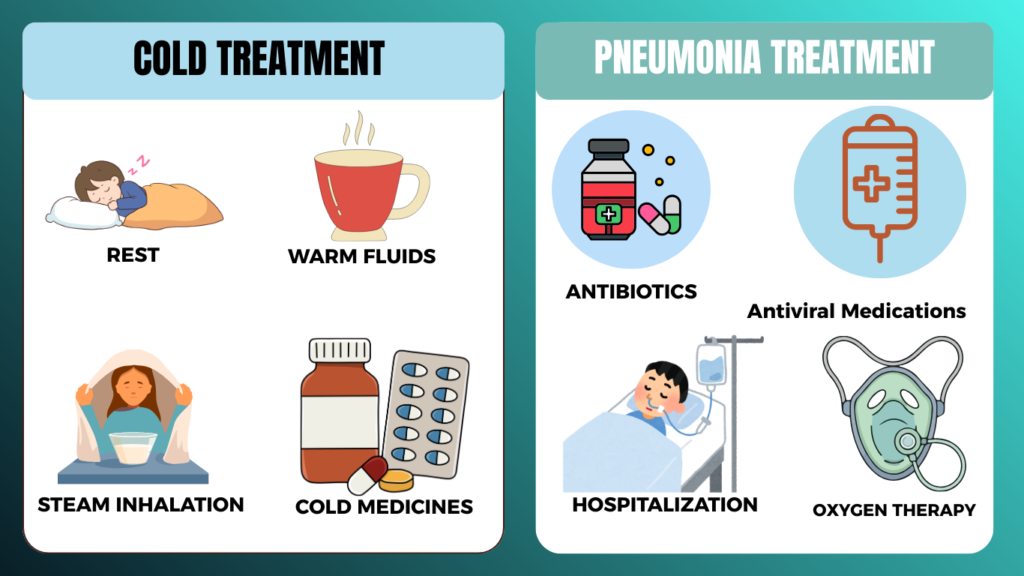
The common cold does not have a specific cure because it is caused by viruses. Treatment focuses on relieving symptoms.
Common remedies include:
- Rest
- Drinking warm fluids
- Steam inhalation
- Over-the-counter cold medicines
- Gargling with warm salt water
Most people recover naturally within a week.
However, if symptoms worsen, doctors may evaluate whether it is actually pneumonia.
Treatment for Pneumonia
The treatment for pneumonia depends on the cause and how severe the infection is.
Antibiotics
Used if pneumonia is caused by bacteria.
Antiviral Medications
Used in viral pneumonia cases.
Oxygen Therapy
Given if oxygen levels are low.
Hospitalization
Severe cases may require hospital care.
Hospitals such as Vedanta Hospitals in Kadapa, a leading Multispeciality Hospital in Kadapa, provide advanced treatment for pneumonia and other respiratory diseases.
Early treatment significantly reduces complications.
Who is at Higher Risk of Pneumonia?
Certain groups of people are more likely to develop pneumonia, including:
- Elderly people above 65
- Children under 5
- People with weak immunity
- Patients having chronic conditions such as diabetes or heart disease.
- Smokers
These individuals should be more cautious about respiratory infections and understand the difference between common cold and pneumonia to avoid delays in treatment.
Tips to Prevent Respiratory Infections
Preventing respiratory infections is better than treating them later.
Here are some simple prevention tips:
- Wash Hands Frequently
Maintaining hygiene helps prevent the spread of viruses and bacteria.
- Maintain Good Immunity
Eat healthy foods rich in vitamins and minerals.
- Avoid Close Contact with Sick People
Respiratory infections spread easily through droplets.
- Get Vaccinated
Vaccines for pneumonia and flu can help prevent serious infections.
- Maintain Good Respiratory Hygiene
Cover your mouth while coughing or sneezing.
Preventive care and awareness help people better understand the difference between common cold and pneumonia and take early precautions.
Why Early Diagnosis Matters
Many people underestimate respiratory symptoms and assume they have a cold. Unfortunately, this delay can allow pneumonia to worsen.
Early diagnosis allows doctors to start treatment quickly and prevent complications such as:
- Lung damage
- Blood infection (sepsis)
- Breathing failure
Healthcare providers at a Multispeciality Hospital in Kadapa have advanced diagnostic tools to identify respiratory infections accurately.
This is why recognizing the difference between common cold and pneumonia is so important for protecting your health.
FAQs
1. How can I tell if I have a cold or pneumonia?
A cold usually causes mild symptoms like runny nose and sneezing, while pneumonia causes high fever, severe cough, and breathing difficulty.
2. Can a cold turn into pneumonia?
Yes. In some cases, untreated viral infections may weaken the immune system and lead to pneumonia.
3. Is pneumonia more dangerous than a common cold?
Yes, pneumonia is a serious lung infection and may require medical treatment or hospitalization.
4. How long does pneumonia last?
Recovery from pneumonia may take several weeks depending on the severity and treatment.
5. Do antibiotics treat the common cold?
No. Antibiotics do not work against viruses that cause the common cold.
6. Who should be most careful about pneumonia?
Older adults, young children, smokers, and people with weak immune systems are at higher risk.
7. When should I see a doctor for respiratory symptoms?
You should see a doctor if you have high fever, chest pain, breathing difficulty, or persistent cough.
8. Can pneumonia be prevented?
Yes. Vaccination, good hygiene, and maintaining a strong immune system can help prevent pneumonia.
9. Is pneumonia contagious?
Some types of pneumonia caused by viruses or bacteria can spread through respiratory droplets.
10. Where can I get treatment for pneumonia in Kadapa?
You can consult specialists at Vedanta Hospitals in Kadapa, a reputed Multispeciality Hospital in Kadapa, for expert respiratory care.