
Gallbladder Stone Surgery in Kadapa – Symptoms, Causes, Treatment & Recovery
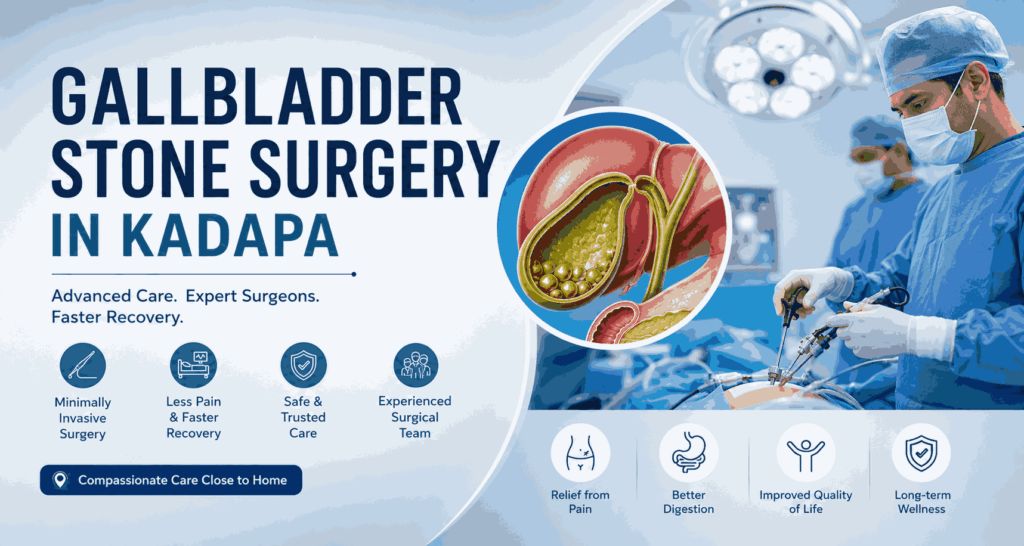
Gallbladder stones are one of the most common digestive health problems affecting adults today. Many people ignore the early warning signs because the symptoms often feel similar to gas, acidity, or indigestion. However, when gallstones start blocking the normal flow of bile, they can cause severe pain, vomiting, infection, and serious digestive complications.
People searching for gallbladder stone surgery in Kadapa usually want answers to important questions:
- What causes gallstones?
- Is surgery really necessary?
- Can gallstones be treated without surgery?
- How painful is the procedure?
- How long does recovery take?
Understanding these answers can help patients seek treatment before complications become severe.
At Vedantha Hospital, patients receive diagnosis and treatment support for gallbladder-related conditions through modern surgical and digestive care services.
What Are Gallbladder Stones?
The gallbladder is a small organ located below the liver. Its role is to store bile, a digestive fluid that helps the body break down fats.
Sometimes, substances present in bile such as cholesterol or bilirubin become hard and form small stone-like deposits inside the gallbladder. These are called gallstones.
Some gallstones remain silent for years without causing symptoms. Others can suddenly trigger severe pain and digestive problems.
Gallstones may be:
- Very small like sand particles
- Medium-sized stones
- Large stones capable of blocking bile ducts
A person may develop a single stone or multiple stones at the same time.
Why Do Gallstones Develop?
Gallstones usually develop gradually. Lifestyle habits, diet patterns, hormonal changes, and certain medical conditions increase the risk.
People who regularly consume oily foods or have obesity often face a higher risk of gallbladder problems. Diabetes and high cholesterol levels also contribute to stone formation.
Common Risk factors Include
- Obesity
- High cholesterol
- Diabetes
- Fat-rich diet
- Lack of exercise
- Pregnancy
- Hormonal imbalance
- Liver disease
- Family history of gallstones
- Rapid weight loss
Women above the age of 40 are generally more likely to develop gallstones compared to men.
Poor digestive health habits may also contribute to stomach discomfort and other gastrointestinal problems over time.
Symptoms of Gallbladder Stones
Many patients do not realize they have gallstones until symptoms become painful. The symptoms usually appear when stones block bile flow or irritate the gallbladder.
One of the most common signs is pain in the upper right side of the abdomen, especially after eating oily or heavy meals.
Some people experience occasional discomfort initially, while others develop sudden severe pain episodes.
Common Symptoms include
- Pain in the upper abdomen
- Pain after fatty meals
- Nausea
- Vomiting
- Bloating
- Gas sensation
- Indigestion
- Back pain
- Shoulder pain
- Fever in severe cases
Gallstone pain can last from a few minutes to several hours.
Many patients mistake these symptoms for acidity or gastric problems and delay proper treatment.
What Does Gallstone Pain Feel Like?
Gallstone pain is often intense and difficult to ignore. Patients commonly describe it as:
- Sharp pain
- Tight squeezing pain
- Sudden pressure in the stomach
- Pain spreading toward the back
The discomfort often becomes worse after eating fried or oily food.
Some patients experience pain mostly during the night, while others feel discomfort immediately after meals.
If the pain keeps returning repeatedly, medical evaluation becomes important.
When Should You Visit a Hospital?
Repeated abdominal pain should never be ignored, especially when it interferes with eating or daily activities.
Immediate medical attention is important if symptoms include:
- Severe stomach pain
- Continuous vomiting
- Fever with abdominal pain
- Yellowing of eyes or skin
- Severe bloating
- Difficulty eating food
These symptoms may indicate:
- Gallbladder infection
- Inflammation
- Bile duct blockage
- Pancreatic complications
Early diagnosis often prevents emergency complications and reduces surgical risks.
How Are Gallstones Diagnosed?
Doctors usually diagnose gallstones through imaging tests and physical examination.
An ultrasound scan is the most common test used because it clearly shows stones inside the gallbladder. Blood tests may also be done to check for infection or liver-related issues.
In complicated cases, doctors may recommend:
- CT scan
- MRI
- MRCP imaging
These tests help identify whether stones are causing blockage or inflammation.
Accurate diagnosis helps doctors decide whether surgery is immediately necessary or whether monitoring is possible.
Can Gallstones Be Treated Without Surgery?
This is one of the most common questions patients ask.
Small gallstones without symptoms may sometimes only require monitoring. However, once symptoms begin, surgery is usually considered the most effective long-term treatment.
Medicines generally do not provide permanent relief for painful gallstones. Even if symptoms temporarily reduce, stones may continue causing future attacks.
Ignoring painful gallstones can lead to complications such as:
- Infection
- Pus formation
- Severe inflammation
- Pancreatitis
- Blocked bile ducts
This is why doctors often recommend surgery when symptoms become frequent or severe.
What Is Gallbladder Stone Surgery?
Gallbladder stone surgery is called Cholecystectomy.
In this procedure, surgeons remove the gallbladder completely to prevent future stone formation and repeated pain episodes.
Many patients worry whether life becomes difficult after gallbladder removal. In reality, most people continue living normally because the body can still digest food without the gallbladder.
Modern surgical techniques have made the procedure safer and recovery faster.
Types of Gallbladder Surgery
Laparascopic gallbladder Surgery
Laparoscopic surgery is the most commonly preferred treatment today.
In this procedure:
- Small cuts are made in the abdomen
- A tiny camera is inserted
- Surgical instruments remove the gallbladder safely
Compared to traditional surgery, laparoscopic procedures usually involve:
- Less pain
- Smaller scars
- Faster healing
- Shorter hospital stay
- Lower infection risk
Most patients are able to walk within hours after surgery.
Open Gallbladder Surgery
Sometimes doctors may recommend open surgery, especially in complicated cases.
This may be necessary when:
- Severe infection exists
- Excessive swelling is present
- Previous surgeries create difficulty
- Gallbladder rupture occurs
Open surgery involves a larger incision and usually requires longer recovery time.
Is Gallbladder Surgery Safe?
Gallbladder surgery is generally considered a safe and commonly performed procedure when done by experienced surgeons.
Modern laparoscopic techniques have significantly improved patient safety and comfort.
However, like any surgery, there can still be risks such as:
- Bleeding
- Infection
- Anesthesia-related complications
- Injury to nearby structures
The risk of complications is usually much lower when treatment is done early before severe infection develops.
Recovery After Gallbladder Stone Surgery
Recovery depends on several factors including:
- Type of surgery
- Patient age
- Overall health condition
- Presence of complications
Most patients who undergo laparoscopic surgery recover relatively quickly.
They can usually:
- Walk within a few hours
- Start light activities within days
- Return to work within 1–2 weeks
Patients undergoing open surgery may require longer recovery, often around 4–6 weeks.
Doctors generally advise avoiding heavy lifting during the healing period.
Food After Gallbladder Surgery
Diet plays an important role during recovery.
Initially, doctors usually recommend simple and easily digestible foods.
Commonly Recommended Food
- Rice
- Idli
- Fruits
- Soups
- Boiled vegetables
- Oats
- Low-fat foods
Patients are also advised to drink enough water and avoid overeating.
For a few weeks after surgery, it is better to avoid:
- Fried foods
- Excess oil
- Fast food
- Spicy meals
- Alcohol
Most patients gradually return to a normal diet after recovery.
What Happens If Gallstones Are Ignored?
Many patients continue ignoring symptoms because the pain comes and goes.
This can become dangerous over time.
Untreated gallstones may lead to:
- Gallbladder infection
- Bile duct blockage
- Severe inflammation
- Pancreatitis
- Emergency surgical conditions
Emergency surgery is often more risky than planned surgery.
That is why early treatment is usually safer and smoother.
Who Is More Likely to Develop Gallstones?
Gallstones can affect anyone, but some people have a higher risk.
The condition is more commonly seen in:
- Women above 40
- Obese individuals
- Diabetic patients
- Pregnant women
- People with high cholesterol
- Individuals with unhealthy eating habits
Lack of physical activity and excessive oily food consumption also increase the risk over time.
Tips to Reduce Gallstone Risk
Healthy lifestyle habits can support better digestive and gallbladder health.
Simple preventive measures include:
- Maintaining healthy weight
- Eating balanced meals
- Exercising regularly
- Drinking enough water
- Reducing oily food intake
- Controlling cholesterol and diabetes
Good digestive care habits may also help reduce stomach-related discomfort and other abdominal health issues.
Gallbladder Stone Surgery in Kadapa
People searching for gallbladder stone surgery in Kadapa often look for:
- Advanced laparoscopic treatment
- Experienced surgeons
- Faster recovery
- Modern surgical care
- Emergency support for abdominal pain
At Vedantha Hospital, patients receive diagnosis and treatment support for gallbladder-related conditions through modern surgical approaches and digestive care services.
The hospital also supports care pathways connected to digestive disorders, abdominal emergencies, and minimally invasive surgical procedures.
Final Thoughts
Gallbladder stones are common, but they should not be ignored once symptoms begin affecting daily life.
Repeated stomach pain, bloating, vomiting, or discomfort after meals may indicate gallbladder disease. Early diagnosis and timely treatment can help avoid severe complications and emergency situations.
Modern laparoscopic surgery has made gallbladder treatment safer, less painful, and faster in recovery for most patients.
If symptoms continue repeatedly, proper medical evaluation is important to identify the cause and decide the right treatment before complications become serious.