Coronary Artery Bypass Surgery:
Procedure, Benefits, Risks & Recovery
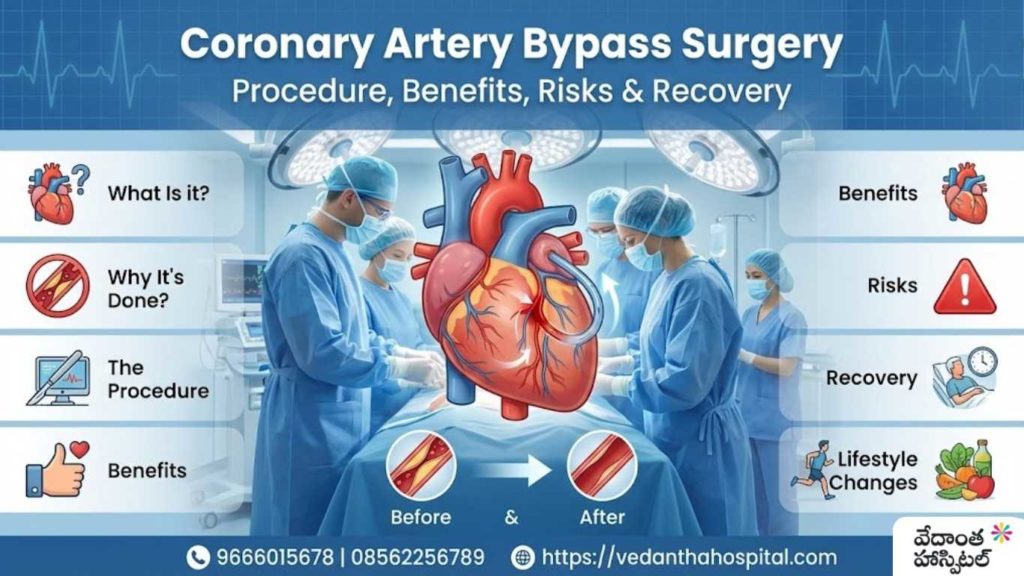
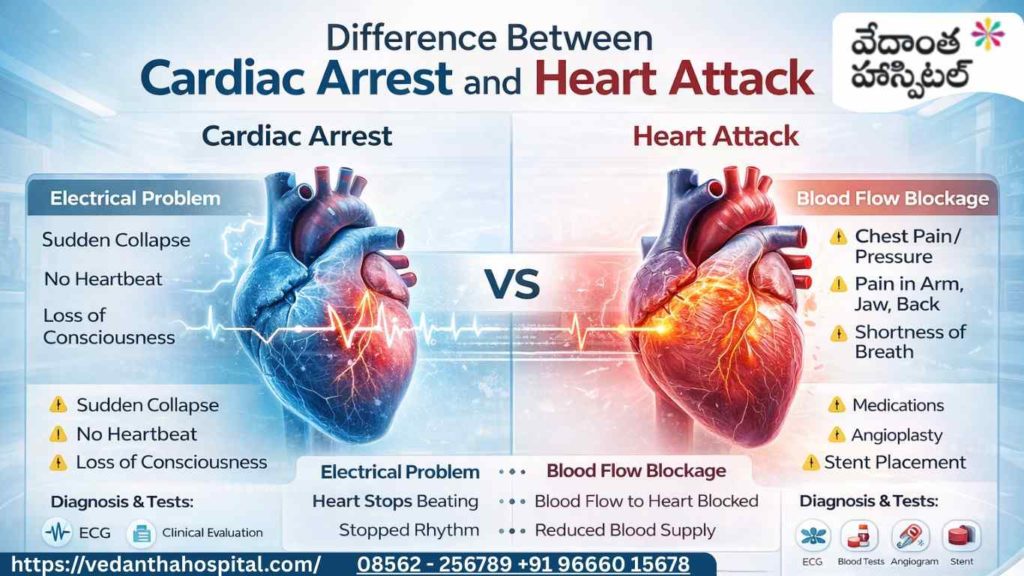
Heart diseases remain one of the leading causes of serious health complications worldwide. Among them, coronary artery disease is one of the most common and life-threatening conditions. When blood flow to the heart muscle becomes severely restricted due to blocked arteries, doctors may recommend coronary artery bypass surgery to restore proper circulation and prevent further heart damage.
This procedure has helped millions of patients improve heart function, reduce symptoms like chest pain, and significantly enhance quality of life. With advancements in cardiac care and surgical techniques, coronary artery bypass surgery has become safer and more effective than ever before, especially when performed at a well equipped Cardiology Hospital in Kadapa with experienced specialists.
What Is Coronary Artery Bypass Surgery?
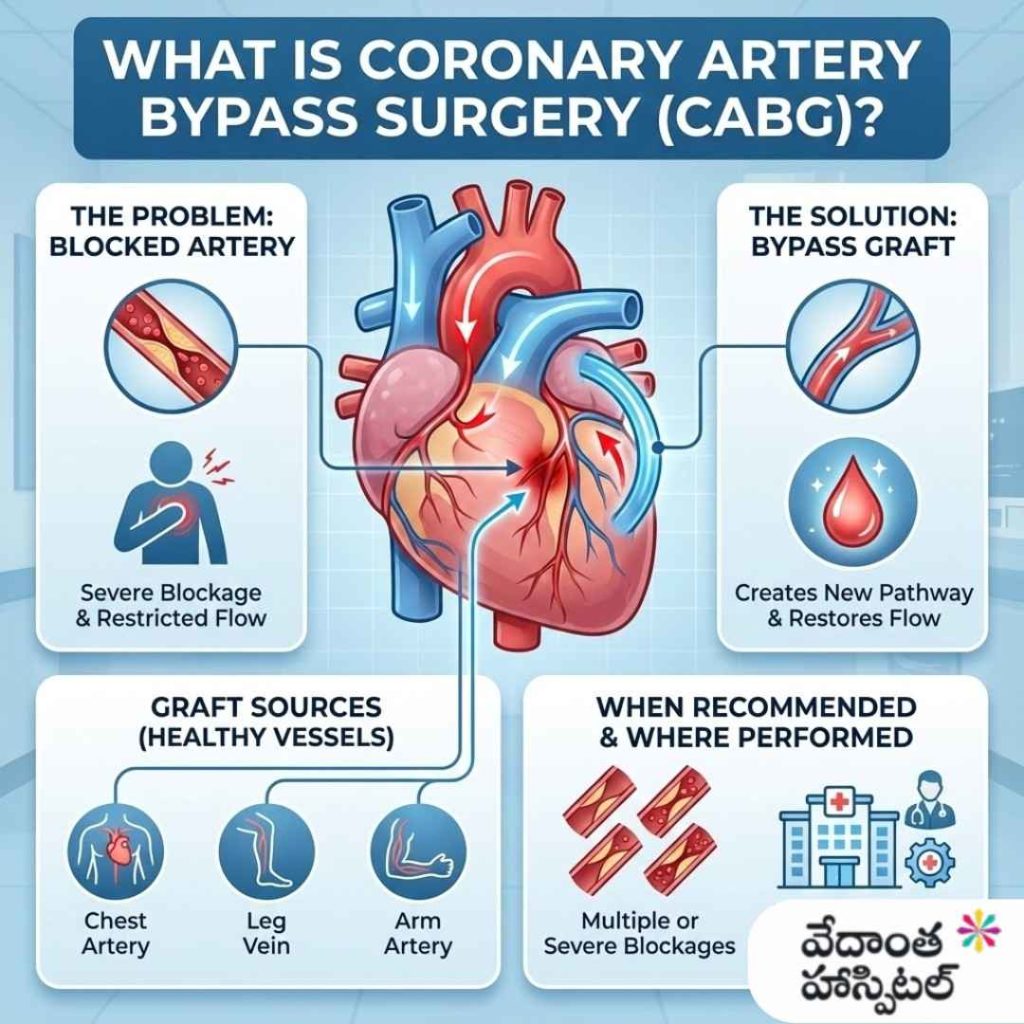
Coronary artery bypass surgery—also known as CABG (Coronary Artery Bypass Graft), is a surgical procedure used to treat severe coronary artery disease. The surgery creates a new pathway for blood to flow to the heart by bypassing blocked or narrowed coronary arteries.
In this procedure, a healthy blood vessel is taken from another part of the body commonly the chest, leg, or arm and grafted onto the affected coronary artery. This allows oxygen-rich blood to reach the heart muscle efficiently again.
CABG is usually recommended when:
- Multiple coronary arteries are blocked
- Blockages are severe and not suitable for angioplasty
- Symptoms persist despite medication
Hospitals with advanced cardiac infrastructure, such as a Cardiothoracic Surgery Hospital in Kadapa, typically perform this surgery with a multidisciplinary heart care team.
Why Is Coronary Artery Bypass Surgery Done?
Coronary artery bypass surgery is done to treat conditions that restrict blood flow to the heart muscle. The most common reason is coronary artery disease, where fatty deposits (plaque) build up inside the arteries.
Common reasons include:
- Severe chest pain (angina)
- Shortness of breath
- Reduced heart pumping efficiency
- High risk of heart attack
- Multiple blocked arteries
- Failed response to medications or angioplasty
In many cases, patients are referred by a Cardiothoracic Surgery in Kadapa after diagnostic tests such as coronary angiography reveal significant blockages.
What Happens During Coronary Artery Bypass Surgery?
Understanding the procedure of coronary artery bypass surgery helps reduce anxiety and prepares patients mentally and physically.
Step-by-Step Procedure
- Pre-operative preparation
The patient is given general anesthesia. Heart function, blood pressure, and oxygen levels are continuously monitored. - Accessing the heart
The surgeon makes an incision in the chest to reach the heart. In some cases, minimally invasive approaches may be used. - Harvesting the graft
A healthy blood vessel is taken from:- Chest (internal mammary artery)
- Leg (saphenous vein)
- Arm (radial artery)
- Chest (internal mammary artery)
- Bypassing the blockage
The graft is connected above and below the blocked coronary artery, creating a new route for blood flow. - Restoring normal circulation
Once blood flow is restored, the chest is closed, and the patient is shifted to the cardiac intensive care unit for monitoring.
At a well-established Multispeciality Hospital in Kadapa, this procedure is supported by advanced cardiac anesthesia, perfusion systems, and post-operative care.
Benefits of
Coronary Artery Bypass Surgery
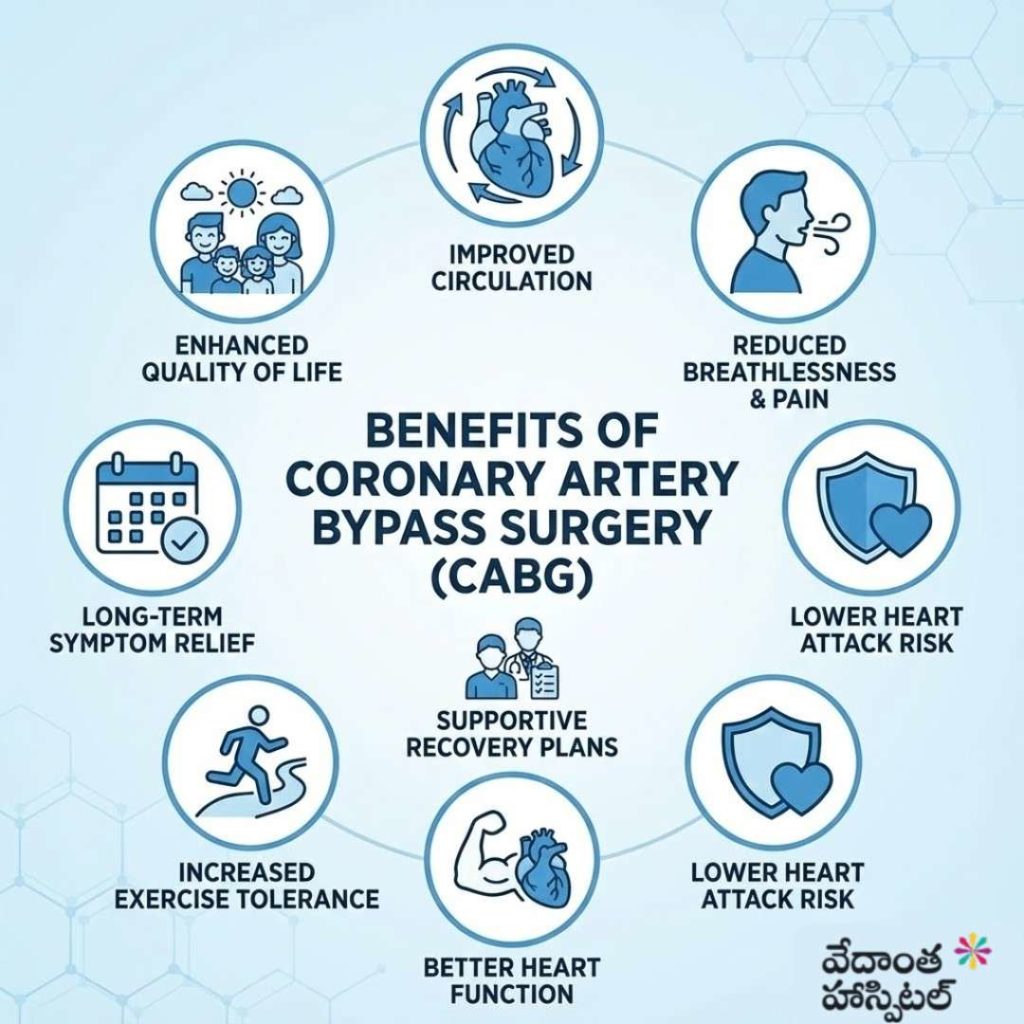
Coronary artery bypass surgery offers both immediate and long-term benefits, especially for patients with advanced coronary artery disease.
Key benefits include:
- Improved blood flow to the heart
- Reduced chest pain and breathlessness
- Lower risk of heart attack
- Improved heart function
- Better exercise tolerance
- Enhanced quality of life
- Long-term symptom relief
Patients treated at centers like Vedanta Hospitals in Kadapa often experience structured recovery plans that help maximize these benefits.
Before and After Coronary Artery Bypass Surgery
Aspect | Before Coronary Artery Bypass Surgery | After Coronary Artery Bypass Surgery |
Blood Flow to Heart | Reduced blood flow due to blocked coronary arteries | Improved blood flow as bypass grafts redirect blood around blockages |
Symptoms | Chest pain, shortness of breath, fatigue, frequent heart discomfort | Significant reduction in chest pain and improved breathing |
Physical Activity | Limited activity due to pain and low stamina | Gradual return to daily activities with better endurance |
Heart Function | Heart works harder due to poor oxygen supply | Heart pumps more efficiently with better oxygen delivery |
Medication Dependence | Heavy reliance on emergency heart attack tablets and pain medicines | Reduced need for emergency medications (regular medicines may continue) |
Risk of Heart Attack | Higher risk due to narrowed or blocked arteries | Lower risk when lifestyle changes and follow-up care are maintained |
Quality of Life | Daily life affected by pain, anxiety, and physical limits | Improved quality of life and confidence in daily activities |
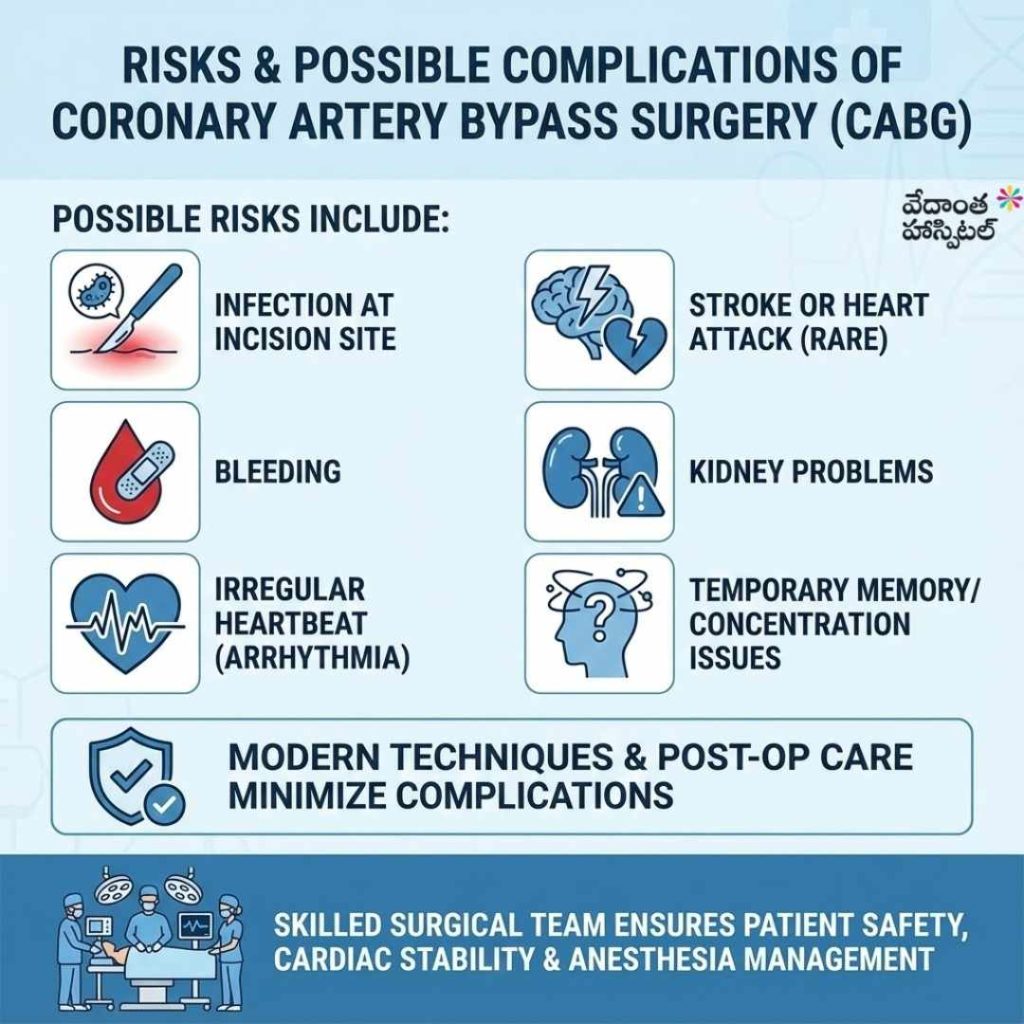
Risks and Possible Complications of Coronary Artery Bypass Surgery
Like all major surgeries, coronary artery bypass surgery carries certain risks. However, with modern surgical techniques and proper post-operative care, complications are minimized.
Possible risks include:
- Infection at the incision site
- Bleeding
- Irregular heartbeat (arrhythmia)
- Stroke or heart attack (rare)
- Kidney problems
- Memory or concentration issues (temporary)
A skilled surgical team, including specialists such as Dr. Ashok Kumar K, plays a vital role in managing anesthesia, cardiac stability, and patient safety during and after surgery.
Recovery After Coronary Artery Bypass Surgery
Recovery is gradual and differs from patient to patient. Most patients stay in the hospital for about 5–7 days, followed by a recovery period at home.
Recovery includes:
- Pain management
- Wound care
- Gradual physical activity
- Cardiac rehabilitation
- Lifestyle modifications
- Regular follow-ups with a cardiologist
Hospitals specializing in heart care, provide structured rehabilitation programs to support recovery.
Lifestyle Changes After Coronary Artery Bypass Surgery
Coronary artery bypass surgery treats blocked arteries but does not cure coronary artery disease. Long-term success depends on lifestyle changes.
Recommended changes:
- Heart-healthy diet
- Regular exercise
- Smoking cessation
- Stress management
- Weight control
- Blood pressure and sugar control
Following medical advice from a Cardiologist helps prevent future blockages.
Conclusion
Coronary artery bypass surgery remains a life-saving procedure for patients with advanced coronary artery disease. When performed at a well-equipped Multispeciality Hospital in Kadapa, supported by skilled cardiologists, surgeons, and anesthesiologists like Dr. Ashok Kumar K, patients can expect safe treatment and structured recovery.
Early diagnosis, timely surgery, and long-term lifestyle changes together play a crucial role in protecting heart health and improving overall quality of life.
FAQ'S
1. What is coronary artery bypass surgery used for?
It is used to treat severe coronary artery disease by restoring blood flow to the heart muscle.
2. Is coronary artery bypass surgery safe?
Yes, it is a commonly performed and well-established procedure when done at experienced centers.
3. How long does coronary artery bypass surgery take?
The surgery typically lasts 3–6 hours, depending on the number of blockages.
4. How long is the recovery after bypass surgery?
Most patients recover within 6–12 weeks with proper care and rehabilitation.
5. Can bypass surgery prevent heart attacks?
It significantly reduces the risk by improving blood flow but lifestyle changes remain essential.
6. Is bypass surgery better than angioplasty?
It depends on the number and severity of blockages. Doctors decide after detailed evaluation.
7. Will I need medications after bypass surgery?
Yes, medications are usually prescribed to prevent clotting and control risk factors.
8. Can blocked arteries return after bypass surgery?
Yes, if lifestyle changes are not followed, new blockages may develop.
9. Is bypass surgery painful?
Pain is manageable with medications and usually improves within weeks.
10. Who should perform bypass surgery?
A trained cardiothoracic surgical team supported by cardiac anesthesia specialists.