



The chest is home to important organs such as the heart, lungs, esophagus, and stomach. Pain from any of these structures can be felt in a similar area. This is why gas problem symptoms are frequently mistaken for heart problems. Gas trapped in the stomach or intestines can create pressure that radiates to the chest, back, or even the left side.
In busy clinical settings like a Multispeciality Hospital in Kadapa, doctors often see patients who panic due to chest pain but are actually experiencing gas pain chest or chest pain because of gas. On the other hand, real cardiac pain can sometimes appear mild at the beginning, making people delay medical care.
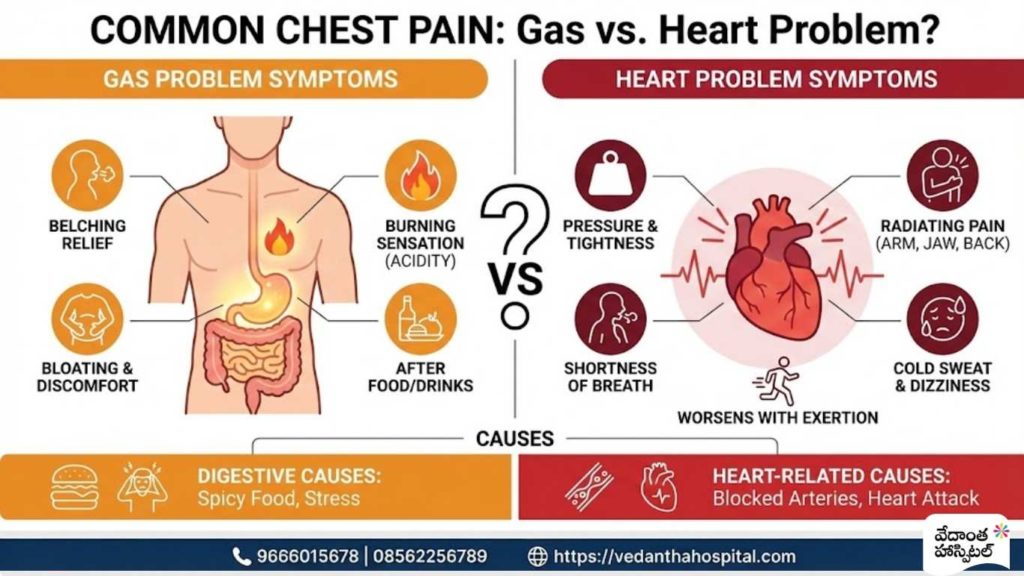
Digestive chest pain usually happens when excess gas builds up in the stomach or intestines. This gas can push upward, causing discomfort in the chest area. Common gas problem symptoms include bloating, heaviness after meals, burning sensation, frequent burping, and pain that improves after passing gas.
Gas pain chest is often linked with:
These symptoms are uncomfortable but usually not dangerous. However, repeated episodes mean you should consult a doctor at a General Medicine Hospital in Kadapa for proper evaluation.
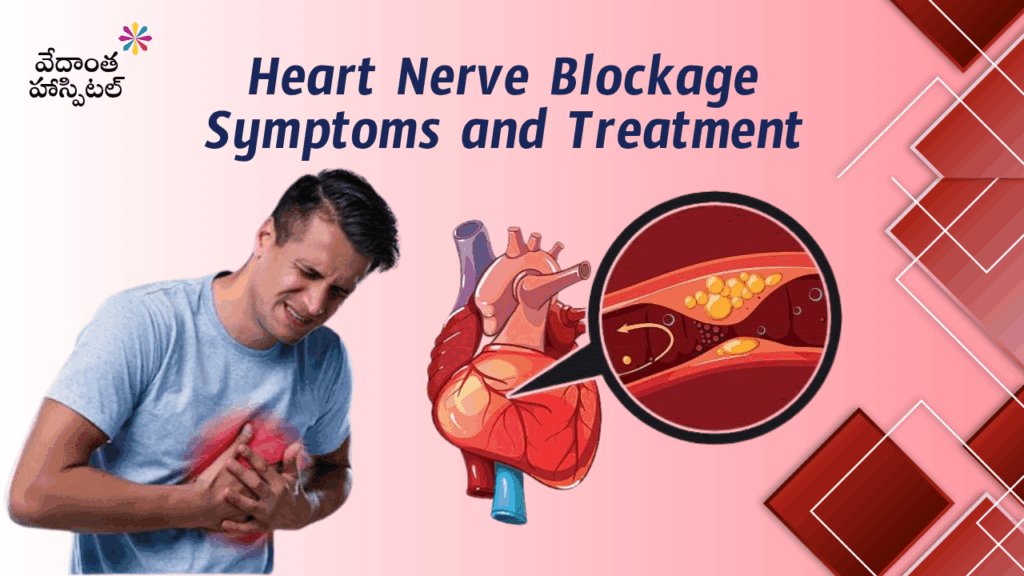
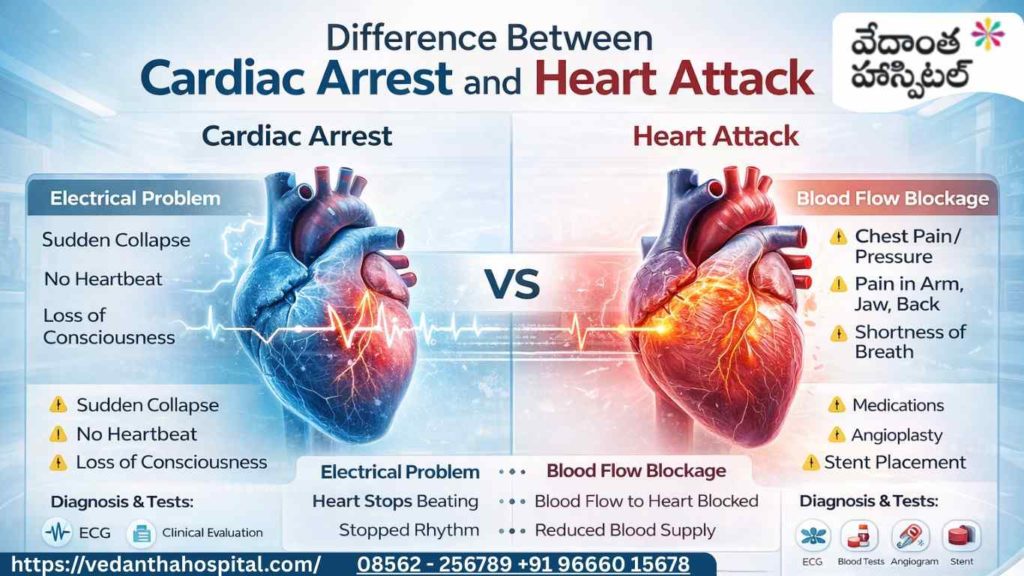
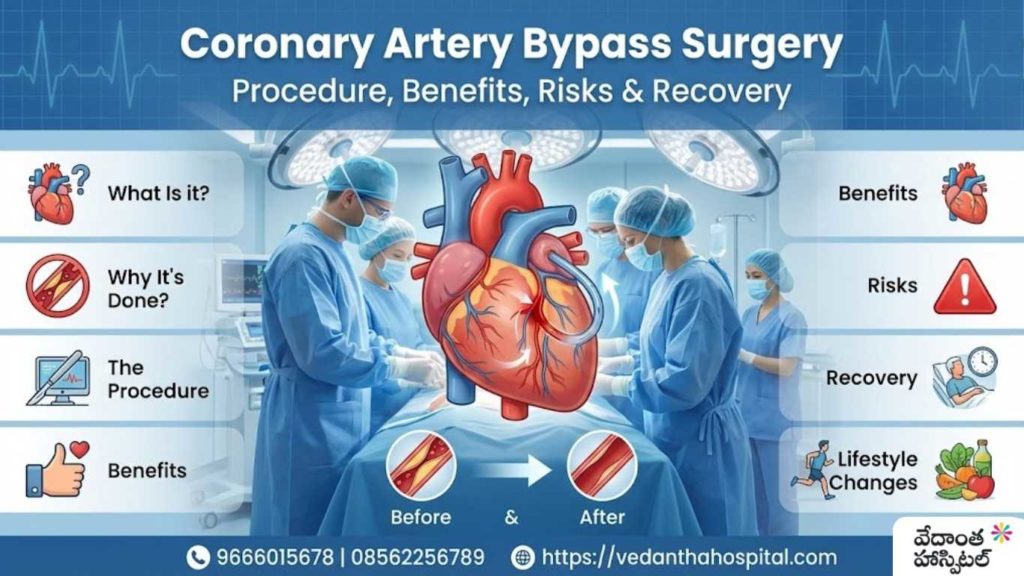
Heart related chest pain is usually caused by reduced blood flow to the heart muscles. This may happen due to blocked arteries or heart rhythm problems. Unlike gas problem symptoms, heart pain is often described as pressure, squeezing, or tightness rather than sharp pain.
Heart-related chest pain may be associated with:
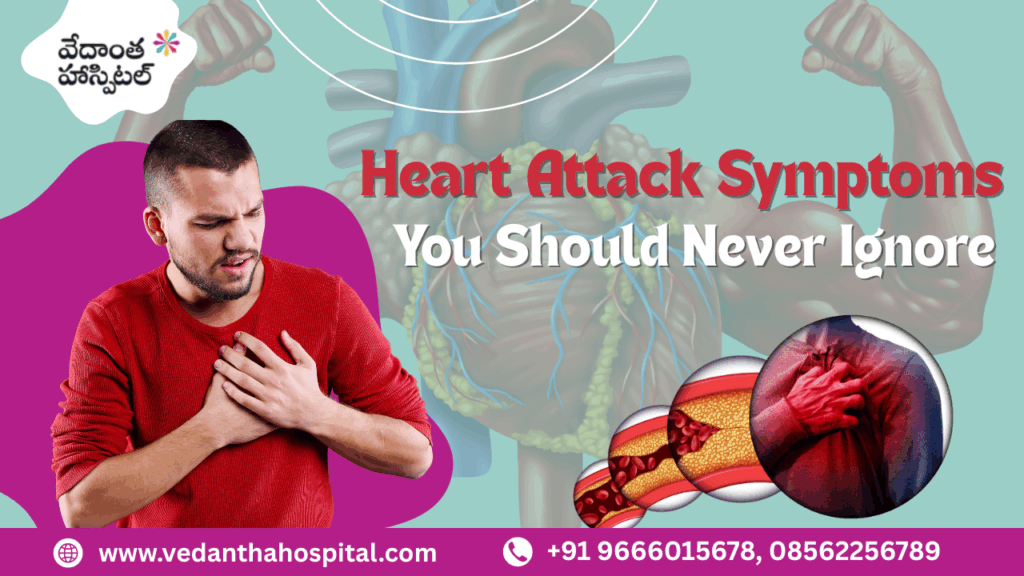
If chest pain appears suddenly, lasts more than a few minutes, or spreads to the arm, jaw, or neck, immediate medical attention is required at a Multispeciality Hospital in Kadapa.
Understanding these differences helps reduce fear and delays in treatment:
Doctors at Vedanta Hospitals in Kadapa stress that any chest pain should be evaluated, especially in people with diabetes, high blood pressure, or family history of heart disease.
Sometimes chest pain may feel mild but still be serious. If you notice chest pain during exercise, chest pain with sweating, or chest pain with nausea and breathlessness, do not assume it is gas. Even people who usually experience gas problem symptoms should not ignore new or severe chest discomfort.
Doctors like Dr. Sree Madhurya advise patients to seek immediate evaluation if chest pain:
Knowing gas pain symptoms helps you respond calmly and correctly. These symptoms include:
Repeated gas problem symptoms may indicate poor digestion, food intolerance, or lifestyle habits that need correction.
|
Condition |
Gas Problem Symptoms |
Main Reason |
What Helps |
|
Pregnancy |
Chest pressure, bloating |
Hormonal slowdown |
Small meals |
|
Stress |
Chest heaviness, burping |
Acid increase |
Relaxation |
|
Overeating |
Chest pain after eating |
Excess gas |
Portion control |
|
Irregular meals |
Stomach gas, nausea |
Poor digestion |
Fixed timings |
|
Inactivity |
Back gas pain |
Slow digestion |
Walking |
Chest pain should never be ignored, whether caused by digestion or heart problems. Understanding gas problem symptoms helps reduce fear, but medical evaluation is always the safest step. Early diagnosis saves lives and prevents complications.
For proper assessment, consultation, and guidance, patients can visit Vedanta Hospitals in Kadapa, where experienced doctors provide trusted care for digestive and cardiac concerns.
👉 You can also check patient reviews and health updates on our Google Business Profile here
Yes, trapped gas can create pressure leading to chest pain, often mistaken for heart issues. These gas pain symptoms usually improve after digestion.
Gas pain often changes with posture and meals, while heart pain stays constant and worsens with exertion.
Usually no, but repeated or severe gas pain symptoms should be evaluated by a doctor.
Yes, gas pain areas may include the back, shoulders, or upper abdomen.
Often yes, especially if linked to heavy meals or acidity.
Fried foods, carbonated drinks, and large meals commonly worsen symptoms.
Yes, stress affects digestion and may worsen gas pain symptoms.
If pain is severe, sudden, or recurring, medical evaluation is advised.
Not always, but it needs medical assessment to rule out heart disease.
Yes, diet control, exercise, and stress management help significantly.