Pacemaker Implantation
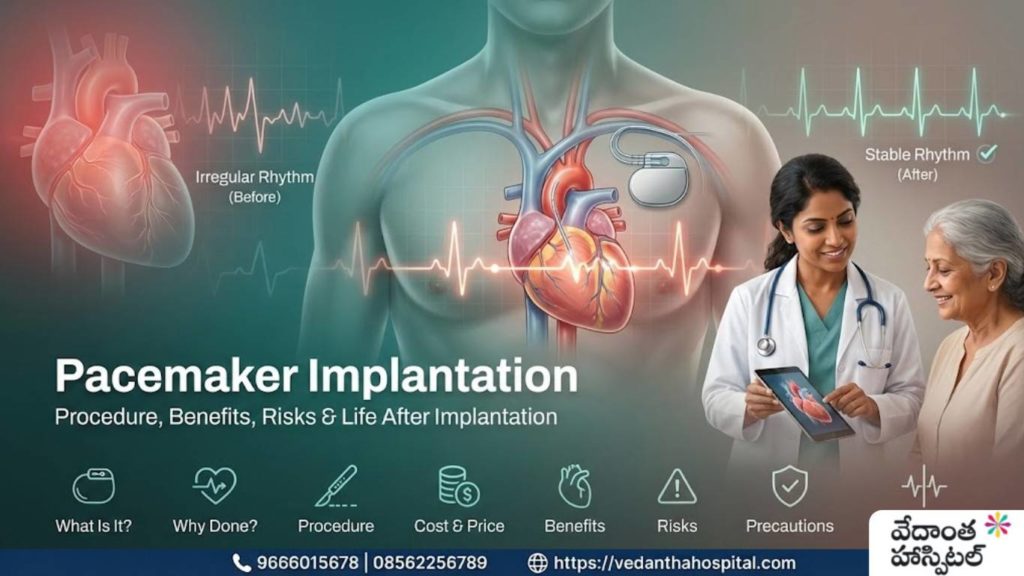
A pacemaker is a small medical device that plays a critical role in regulating the heart’s rhythm. For people with slow, irregular, or abnormal heartbeats, a pacemaker helps the heart beat at a normal and steady rate. Today, pacemaker implantation is a common and life-saving cardiac procedure performed worldwide.
Heart rhythm problems can affect people of any age, but they are more common in older adults and patients with underlying heart disease. Many patients are unaware that their symptoms—such as dizziness, fatigue, or fainting—are related to heart rhythm disturbances. Early diagnosis and timely treatment can significantly improve quality of life and prevent serious complications.
At a well-equipped Cardiology Hospital in Kadapa, pacemaker implantation is performed using advanced technology and strict safety protocols to ensure long-term benefits for patients.
What Is a Pacemaker?
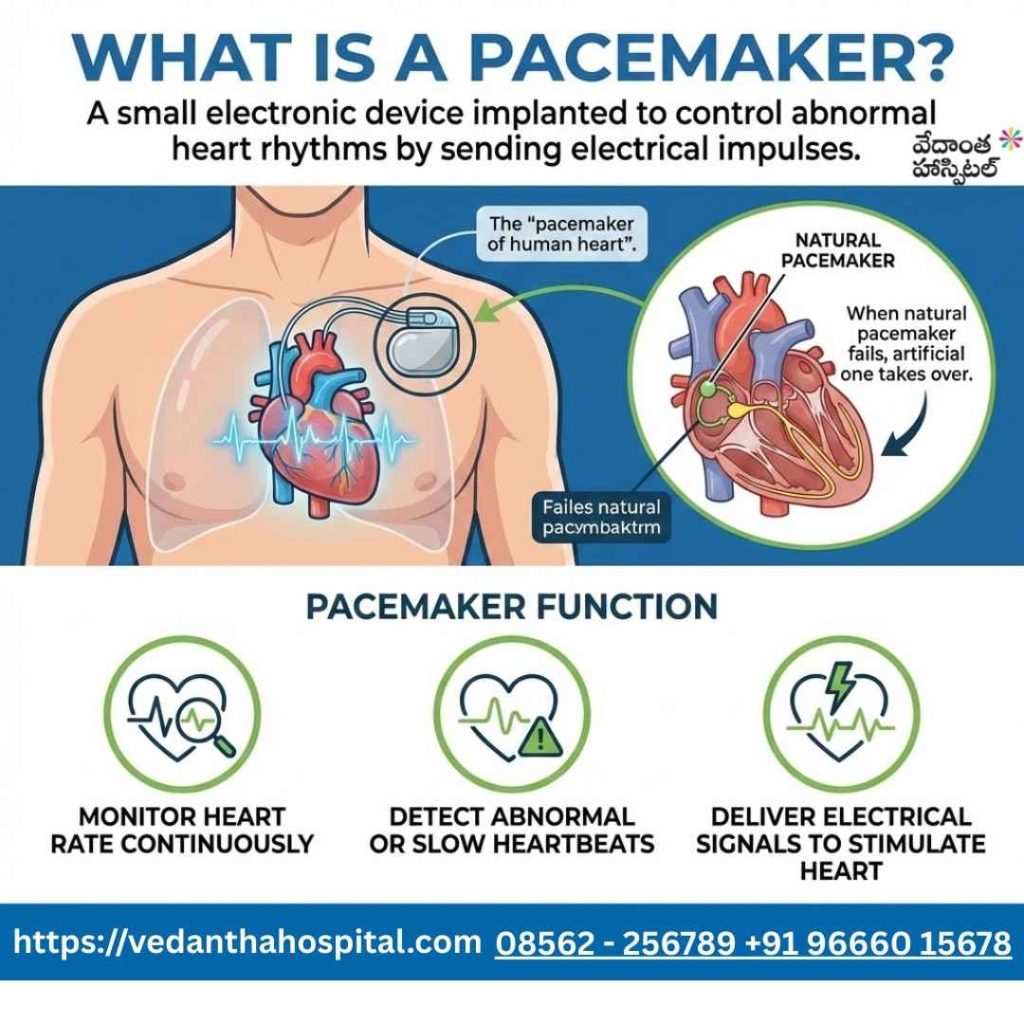
A pacemaker of the heart is a small electronic device implanted under the skin, usually near the chest, to help control abnormal heart rhythms. It sends electrical impulses to the heart muscles, ensuring the heart beats at the correct pace.
The heart has its own natural pacemaker, but when it fails to function properly, an artificial pacemaker is required. This is why the heart’s pacemaker is often referred to as the “pacemaker of human heart.”
Pacemaker Function :
The main pacemaker function is to:
- Monitor heart rate continuously
- Detect abnormal or slow heartbeats
- Deliver electrical signals to stimulate the heart
Modern pacemaker machines are intelligent devices that adjust heart rate according to physical activity, rest, or sleep.
Why Is Pacemaker Implantation Done?
Pacemaker implantation is done when the heart’s electrical system does not work properly. This leads to slow or irregular heartbeats that cannot maintain adequate blood flow to the body.
Common Reasons a Pacemaker Is Needed
- Slow heart rate (bradycardia)
- Heart block
- Irregular heart rhythm (arrhythmia)
- Fainting spells
- Chronic fatigue
- Shortness of breath
Many people search online for pacemaker why needed, and the answer lies in preventing complications like heart failure, stroke, or sudden cardiac arrest.
Consultation with an experienced Cardiologist in Kadapa helps identify whether pacemaker implantation is the right option.
Pacemaker Implantation Procedure
Pacemaker implantation is a minimally invasive procedure performed under local anesthesia with sedation. The procedure usually takes pacemaker surgery time of about 1–2 hours.
Steps Involved
- A small incision is made near the chest
- Leads are guided into the heart
- The pacemaker machine is placed under the skin
- Device function is tested
- Incision is closed
Patients are monitored closely after the pacemaker operation to ensure proper functioning.
Pacemaker Cost and Price Factors
One of the most common concerns among patients is pacemaker cost. The pacemaker price in India varies depending on:
- Type of pacemaker
- Brand (Medtronic, Abbott, etc.)
- Single vs dual chamber
- Hospital infrastructure
- Patient’s medical condition
On average, pacemaker heart price may range from moderate to high depending on features. The pacemaker operation cost usually includes device cost, hospital stay, investigations, and follow-up care.
Patients should always discuss pacemaker cost clearly with their healthcare provider before the procedure.
Risks and Benefits of Pacemaker Implantation
Like any medical procedure, pacemaker implantation has both benefits and possible risks. Understanding them helps patients and families make informed decisions.
Benefits of Pacemaker Implantation
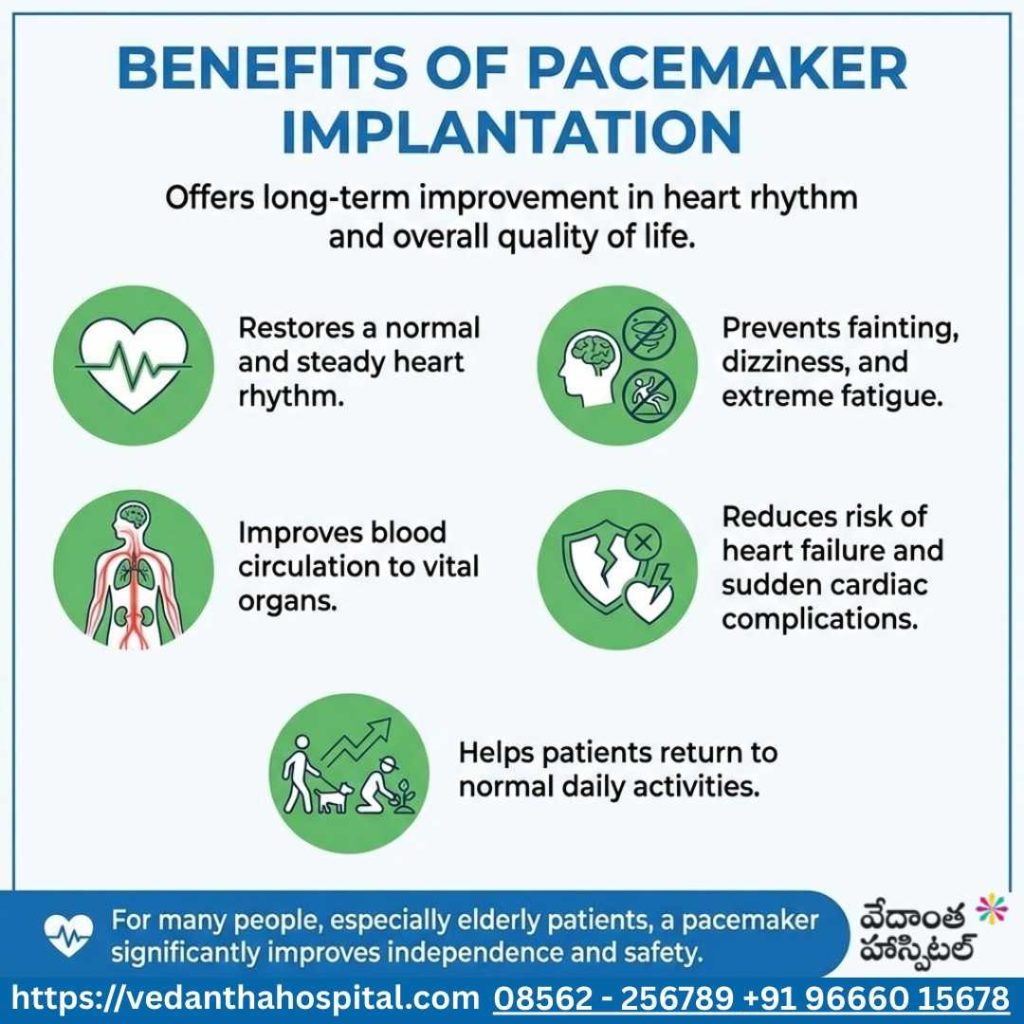
Pacemaker implantation offers long-term improvement in heart rhythm and overall quality of life.
Key benefits include:
- Restores a normal and steady heart rhythm
- Prevents fainting, dizziness, and extreme fatigue
- Improves blood circulation to vital organs
- Reduces risk of heart failure and sudden cardiac complications
- Helps patients return to normal daily activities
For many people, especially elderly patients, a pacemaker significantly improves independence and safety.
Possible Risks of Pacemaker Implantation
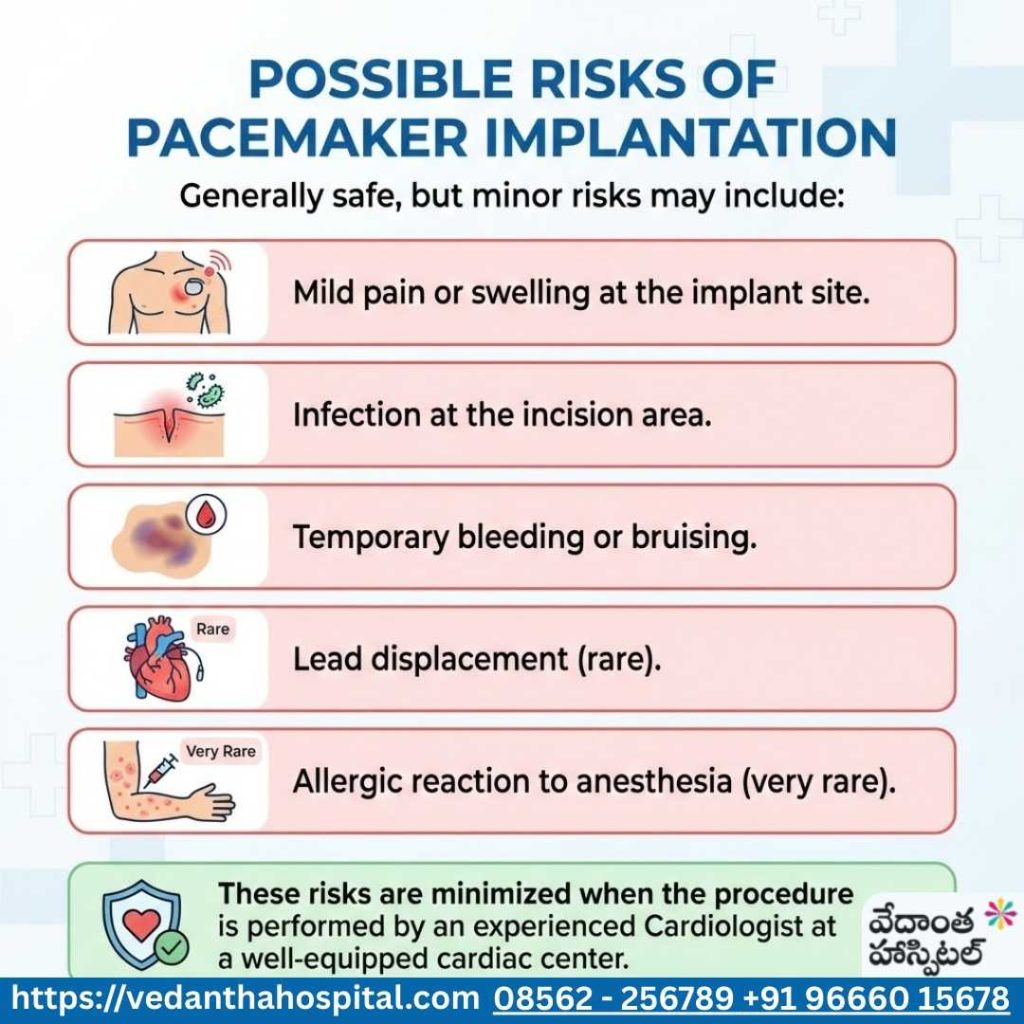
Pacemaker implantation is generally safe, but minor risks may include:
- Mild pain or swelling at the implant site
- Infection at the incision area
- Temporary bleeding or bruising
- Lead displacement (rare)
- Allergic reaction to anesthesia (very rare)
These risks are minimized when the procedure is performed by an experienced Cardiologist in Kadapa at a well-equipped cardiac center.
Pacemaker Precautions
Precaution Area | What to Do | What to Avoid |
Physical Activity | Light walking after recovery | Heavy lifting initially |
Arm Movement | Gentle arm use | Sudden overhead movements |
Medical Devices | Inform doctors about pacemaker | MRI without approval |
Follow-up | Regular pacemaker check-ups | Skipping appointments |
Lifestyle | Healthy diet, exercise | Smoking and excess alcohol |
Electronics | Normal household use | Strong magnetic fields |
Following these pacemaker precautions helps extend device life and ensures smooth heart rhythm control.
Before the Pacemaker Procedure
Proper preparation before pacemaker implantation ensures safety and better outcomes.
What to Expect Before the Procedure
- Detailed heart evaluation (ECG, echocardiogram, blood tests)
- Review of current medications
- Instructions to stop certain blood thinners if needed
- Fasting for a few hours before the procedure
- Explanation of the pacemaker operation and recovery process
Patients are encouraged to ask questions and clear doubts about pacemaker implantation, pacemaker cost, and recovery expectations before admission.
After the Pacemaker Procedure
After implantation, patients are closely monitored to ensure the pacemaker is working correctly.
Immediate Recovery
- Hospital stay of 1–2 days in most cases
- Monitoring of heart rhythm and vital signs
- Pain relief medications if required
- Wound care instructions
Long-Term Recovery
- Gradual return to daily activities within a few weeks
- Avoid heavy lifting or sudden arm movements initially
- Regular pacemaker check-ups to assess device performance
Importance of Expert Cardiac Care in Kadapa
- Pacemaker implantation requires skilled evaluation, careful placement, and long-term follow-up. At Vedanta Hospitals in Kadapa, patients receive structured cardiac care supported by diagnostics and emergency services.
- As a trusted Multispeciality Hospital in Kadapa, Vedanta offers coordinated heart care services in a safe clinical environment. Consulting an experienced Cardiologist in Kadapa ensures accurate diagnosis, proper device selection, and smooth recovery.
- Under the expertise of Dr. Sravan Kumar Nandaluru, pacemaker implantation is performed following standard cardiac safety protocols and patient-focused care.
For local directions, patient reviews, and updates related to cardiac services, you may refer to the Google Business Profile of Vedanta Hospitals. This helps patients access verified local information easily.
FAQ'S
1. What is a pacemaker used for?
A pacemaker is used to treat slow or irregular heartbeats by maintaining a steady heart rhythm and proper blood circulation.
2. Is pacemaker implantation a major surgery?
No, it is a minimally invasive procedure performed under local anesthesia with a short recovery period.
3. How long does pacemaker surgery take?
Pacemaker surgery time is usually about 1 to 2 hours, depending on the device type and patient condition.
4. Is pacemaker implantation painful?
The procedure itself is painless due to anesthesia. Mild discomfort may occur for a few days after surgery.
5. What is the lifespan of a pacemaker?
The average pacemaker lifespan is 8 to 12 years, depending on usage and device settings.
6. Can a person live a normal life with a pacemaker?
Yes, most people return to normal daily activities and experience improved quality of life.
7. Does a pacemaker stop heart attacks?
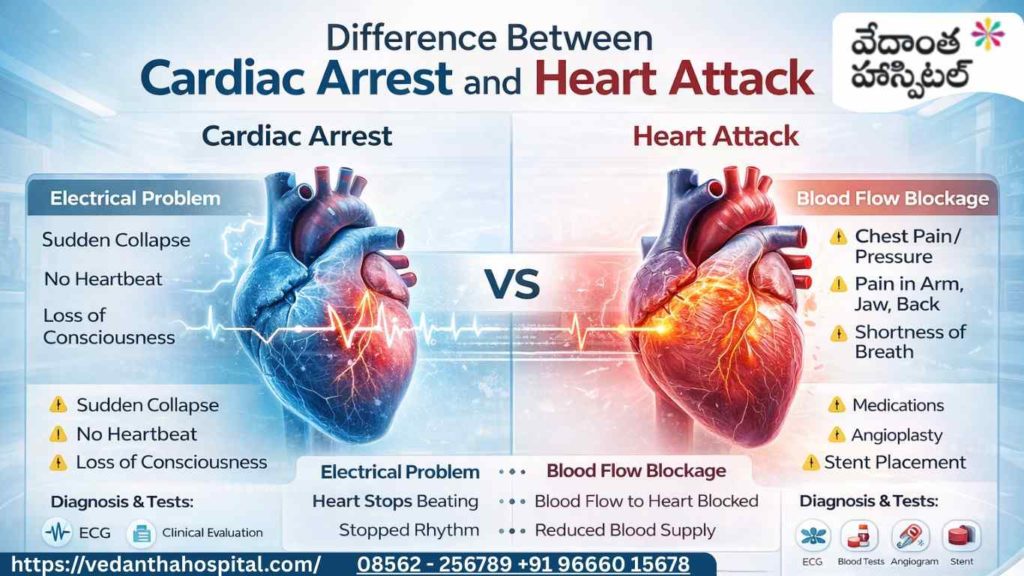
No, a pacemaker controls heart rhythm but does not prevent heart attacks caused by blocked arteries.
8. Are pacemakers safe for elderly patients?
Yes, pacemakers are commonly implanted in elderly patients and significantly improve safety and comfort.
9. Can pacemaker batteries be replaced?
Yes, when the battery runs low, it can be replaced through a minor surgical procedure.
10. When should I consult a doctor after pacemaker implantation?
Consult your doctor if you notice pain, swelling, fever, or changes in heart rhythm.